Before modern office cleaning services existed, office cleaning was a strange blend of improvisation, questionable chemicals, and sheer emotional resilience. Offices were not always ergonomic, air conditioned, or even particularly sanitary. They were dusty, smoky, ink splattered chaos zones, and the cleaning methods used to maintain them ranged from surprisingly effective to this should be illegal. What we now consider basic hygiene was once a luxury, and what we now consider a workplace hazard was once simply Tuesday.
This is your full, long, chaotic historical tour of the last one hundred and fifty years of office cleaning. You are welcome.
Victorian Offices 1837 to 1901: Dust, Ink, Coal Soot and Despair
Victorian offices, spanning the reign of Queen Victoria from 1837 to 1901, were the administrative engine rooms of the Industrial Revolution and also the respiratory hazard zones of the Industrial Revolution. These workplaces were filled with paper, ink, coal soot, and men who smoked indoors like it was a competitive sport. The air was not just dusty. It was textured. You could practically spread it on toast.
Cleaning was performed by office boys or charwomen who were paid almost nothing to sweep floors, empty spittoons, wipe down ink stained desks, and scrub floors with lye strong enough to dissolve both grime and hope. Windows were cleaned with vinegar and newspaper, floors were polished with beeswax, and desks were wiped with rags that had seen things no rag should ever see. Hygiene was not the goal. Survival was.
The Urban Clean Fix
Urban Clean does not employ children with buckets or women working eighteen hour days for pennies. Instead, we use trained professionals, microfibre cloths, HEPA vacuums, and structured systems like Janiflow to ensure every surface is cleaned safely and consistently… without Dickensian level trauma.
Early Twentieth Century Offices 1900 to 1939: The Everything Smells Like Cigarettes Era
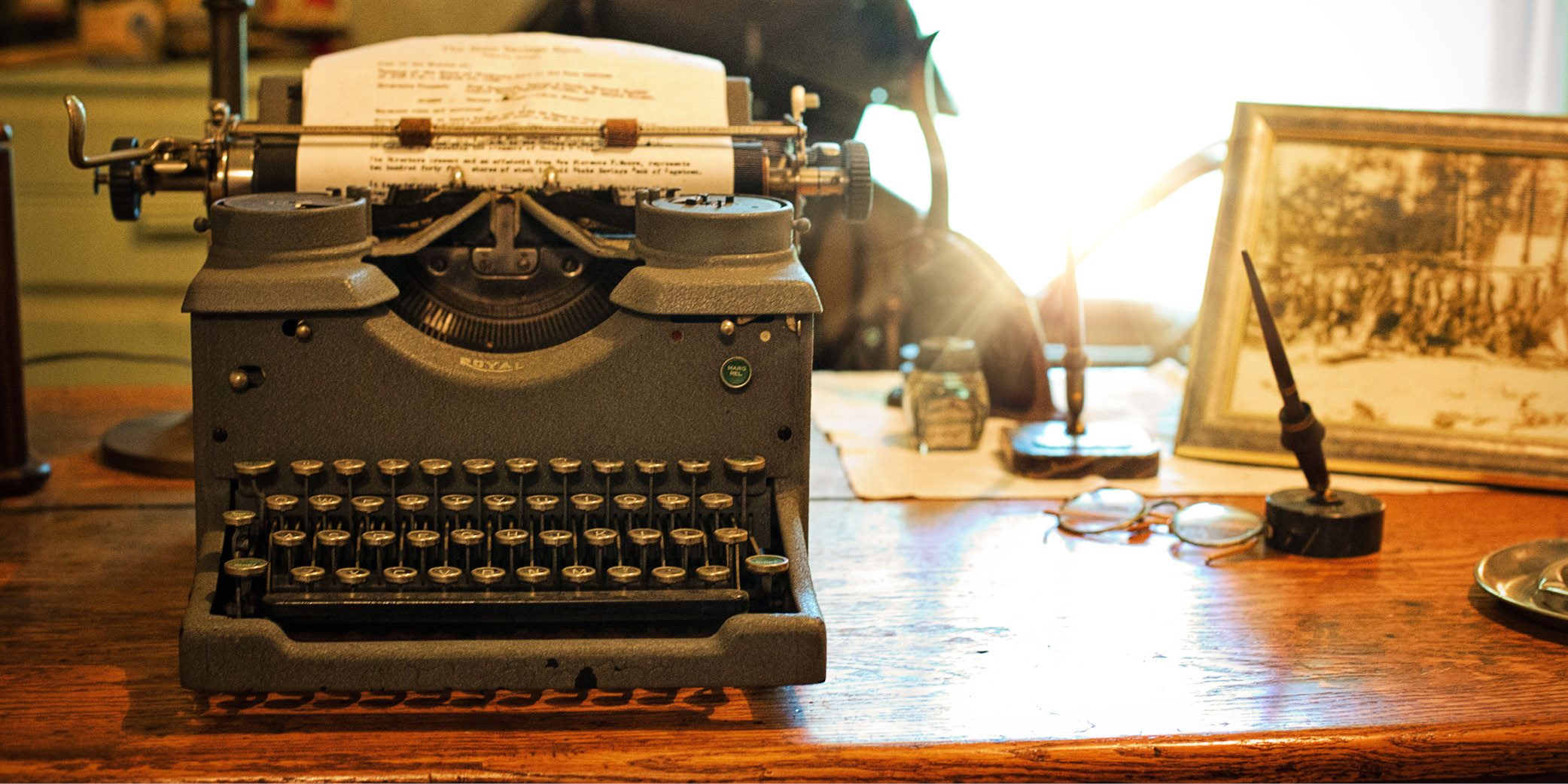
By the early 1900s, offices were slightly more modern but still deeply chaotic. Typewriters clacked, paper dust floated through the air, and cigarette smoke formed a permanent atmospheric layer. Cleaning staff worked overnight, sweeping floors, dusting ledgers, and wiping down typewriters with oil soaked cloths.
The truly unhinged part was the typewriter cleaning method. They used kerosene. Indoors. While people smoked.
Floors were polished with wax so slippery it turned walking to your desk into a workplace hazard. Windows were cleaned with ammonia strong enough to stun a horse. Everything smelled like tobacco, ink, and mild danger.
The Urban Clean Fix
Urban Clean does not use kerosene, ammonia clouds, or wax that could send someone sliding into a filing cabinet. We use safe, modern products and scheduled routines that keep during our office cleaning services without turning them into an Workplace Health and Safety nightmare. Our office cleaning services are designed for hygiene, not hazard.
Mid Century Offices 1940 to 1979: The Just Vacuum Around the Ashtrays Era
The 1950s to 1970s were peak cigarette culture. Offices had carpet, cubicles, and enough nicotine in the air to pickle a small mammal. Cleaning staff vacuumed around overflowing ashtrays, wiped down Formica desks, and emptied bins full of paper, cigarette butts, and sandwiches that had given up on life.
Carpets were shampooed with machines that left them wet for days, creating mould ecosystems that could have been studied by biologists. Phones, touched by dozens of people daily, were disinfected once a week despite being germ sharing devices with a dial tone.
The Urban Clean Fix
Urban Clean sanitises high touch points daily, uses fast drying carpet extraction methods, and does not allow carpets to stew in their own moisture like a forgotten casserole. With Janiflow, every task is logged and verified, ensuring hygiene is consistent rather than whenever someone remembers.
The Computer Boom 1980 to 1999: The Birth of Office Dust Two Point Zero
Computers arrived. Dust arrived with them. Cleaning staff were told two contradictory instructions. Do not touch the computers. Also clean the computers. The outcome was as confused as the directive.
Monitors were cleaned with glass cleaner, which was bad. Keyboards were shaken upside down like maracas, which was worse. Cables were ignored entirely, which was catastrophic. Static electricity was everywhere. Carpet was everywhere. No one knew what they were doing. Cleaning electronics was a minefield of sparks, streaks, and accidental data loss.
The Urban Clean Fix
Urban Clean uses anti-static cloths, safe electronic cleaning methods, and structured routines logged through Janiflow so no one accidentally sprays glass cleaner into a four thousand dollar monitor. We clean technology the way it deserves to be cleaned. Carefully, correctly, and without chaos.
Early Two Thousands Offices 2000 to 2010: We Have Microfibre. Thank Goodness.
Microfibre cloths arrived and changed everything. Suddenly dusting did not feel like a punishment from the universe. Cleaning became more efficient, less chaotic, and slightly less dangerous. But offices still relied on inconsistent contractors, random checklists, and the honour system, which is adorable but not reliable.
Kitchens were cleaned when someone remembered. Bathrooms were cleaned when someone complained. Desks were cleaned when the dust became visible from space.
The Urban Clean Fix
Urban Clean brings consistency, accountability, and actual quality control. During our office cleaning services, Janiflow ensures every task is photographed, timestamped, and verified. No guesswork. No ‘Did they actually clean the kitchen?’ mysteries. Just structured, professional cleaning that would make every historical office worker weep with gratitude.
From Chaos to Cleanliness and Why It Matters Today
Looking back at the last one hundred and fifty years of office cleaning is equal parts hilarious and horrifying. From Victorian soot clouds to mid century ashtray avalanches to the kerosene and typewriter era, workplaces have always needed cleaning, but the methods were often improvised, unsafe, or one bad decision away from a workplace incident report written with a quill.
When you look at the conditions people worked in, it is honestly astonishing anyone survived long enough to finish a shift. Between the soot, the smoke, the kerosene fumes, the mouldy carpets, and the ammonia clouds, it feels like workers of the past had only two possible outcomes. Either they had the robust constitution of a coal train, powering through the day on grit and questionable air quality, or they quietly became unwell and went away for some sea air with what was politely described as a fragile constitution. Offices were not designed with health in mind. They were designed with paperwork in mind, and the human body was simply expected to keep up.
Today, we are lucky. We have science. We have standards. We have cleaning products that do not dissolve your fingerprints. And most importantly, we have structured, professional systems like Janiflow that ensure every task is completed, verified, and delivered to a consistent standard.
Ready to Leave Historical Chaos Behind?
Modern workplaces do not have to rely on guesswork, kerosene, or children with buckets. They can rely on trained professionals who know exactly what they are doing and who will not accidentally set the building on fire in the process.
If your workplace deserves better than Victorian soot, mid century cigarette fog, or early two thousands hope based cleaning, it is time to upgrade. Urban Clean delivers structured, reliable office cleaning services backed by real accountability, real reporting, and real results. Let us handle the cleaning and take it off your to-do list, just click here!
And if you’re someone who’s ready to take ownership of your future, we’d love to talk. Whether you’re looking for a flexible income or ready to build a business that scales, our cleaning franchise model gives you the tools, training, and support to succeed. Click here to connect with us
Sources
- Smithsonian Magazine, historical office culture and workplace hygiene
- Science History Institute, early cleaning chemicals and workplace practices
- British Library, Victorian office work and domestic labour
- National Museum of American History, typewriter maintenance and early office equipment
- Journal of Industrial Hygiene, mid century workplace air quality
- Museum of Domestic Design and Architecture, carpet cleaning and household labour history
- National Archives UK, early twentieth century office management manuals