Some cleaning hacks make sense. Most don’t. Yet everyone has that once unhinged cleaning hack that sits in the strange, shimmering middle, the hacks that work so well you refuse to question them out of fear the universe will take them back. These are the weird, unhinged, “why does this work and why do I now know this” tricks people swear by, the ones born from desperation, boredom, or the kind of domestic panic that only appears when guests are ten minutes away. They shouldn’t work. They absolutely shouldn’t work. And yet here we are, living in a world where bread, tomato sauce, and hair dryers are apparently legitimate cleaning tools.
The worst part? These cleaning hacks are backed by actual science. Not good science. Not elegant science. But real, undeniable, “okay, I guess this is happening now” science that quietly explains why these chaotic little miracles deliver results. While we don’t clean homes (sorry) we don’t believe in gatekeeping, so let’s walk through the strangest cleaning tips that actually work. and the begrudging chemistry behind them and a gentle reminder not to injure yourself in the process.
Cleaning Hack 1: Bread for Broken Glass
There is nothing dignified about dropping a glass. But there is something profoundly unhinged about pressing a slice of bread into the floor like you’re baptising it into a new religion. And yet, the bread grabs the tiny shards your broom misses, clinging to them like a carb‑based safety device. It’s soft, it’s absorbent, and it works far better than it has any right to.
But before you even think about reaching for the loaf, vacuum the area first, and then vacuum the wider area too, because glass travels like it’s trying to start a new life in another postcode. Only then should the bread come out for the micro‑shards. And for the love of your feet, wear shoes. This is not a barefoot activity.
The Science
Bread works because its soft, sponge‑like structure compresses around tiny shards, increasing surface contact and grabbing pieces too small for a broom to catch. It’s basically a biodegradable sticky pad — minus the stickiness.
Urban Clean Pro Tip: We use damp microfibre cloths to collect micro‑shards safely. Same effect, fewer crumbs, zero emotional damage.
Cleaning Hack 2: Tomato Sauce for Tarnished Metal
Sometimes a cleaning hack doesn’t come from logic… it comes from a vibe. You’re standing in your kitchen, staring at a frypan that should be shinier, and your brain goes, Tomato sauce. Yes. Not because it makes sense, but because something deep and chaotic inside you whispers, “This will work.” And then it does. Suddenly you’re holding a bottle of Heinz like it’s a Bunnings‑approved cleaning product, questioning every decision that led you to this moment.
This hack is upsetting on a spiritual level. People are out here smearing tomato sauce on their pans like they’re marinating them for a barbecue. And then, the tarnish lifts. The metal shines. The pan looks reborn. You stand there, sauce bottle in hand, experiencing the emotional cocktail of pride, shame, confusion, and acceptance.
The Science
Tomato sauce contains acetic acid (vinegar) and citric acid (tomatoes), both mild acids strong enough to dissolve the thin layer of oxidation that makes copper and stainless steel look dull. The salt acts as a gentle abrasive, helping lift tarnish without scratching. In other words: you’re giving your pan a low‑grade acid bath disguised as a hot dog topping.
Please do not polish your jewellery with tomato sauce. Silver is soft, precious, and dramatic. Use a proper silver cleaner or a baking‑soda‑and‑foil bath instead.
Urban Clean Pro Tip: We use proper acidic metal cleaners, same science, less emotional damage, zero condiment smell.
Cleaning Hack 3: Hair Dryer for Water Rings
Instead of using coasters like a functioning adult, people blast their furniture with a hair dryer until the water ring evaporates like it’s being interrogated. It’s chaotic, it’s loud, and it feels like you’re threatening the table into compliance. But the heat works, the ring fades, the wood relaxes, and suddenly you’re a genius.
Then comes the second emotional wave: the realisation that you’ve just used a personal grooming tool to fix a furniture emergency. You’re proud. You’re ashamed. You’re confused. And yet, the ring is gone.
The Science
White water rings form when moisture gets trapped beneath the finish, not in the wood itself. The cloudy look is just water scattering light under the varnish. A hair dryer gently heats the finish, allowing the trapped moisture to evaporate back out, restoring clarity. Dark rings = water in the wood fibres = no amount of hair‑dryer interrogation will save you.
Urban Clean Pro Tip: Heat works, but always follow with a wood polish to reseal the surface. Otherwise the ring returns like a sequel no one asked for.
Cleaning Hack 4: Dishwasher for Air Vents
People are unscrewing their air vents and running them through the dishwasher like they’re dinner plates. And the worst part? It works. The vents come out clean, degreased, and ready to rejoin society.
The emotional journey is wild: you load the dishwasher, press start, walk away pretending this is normal behaviour, and then open the door like you’re checking exam results. Relief. Shock. Pride. Fear. All of it.
The Science
Dishwashers use high‑pressure water, detergents, and heat to break down grease and grime. Metal vents can handle this because they’re essentially just shaped sheets of metal. Plastic vents warp. Painted vents peel. Powder‑coated vents get patchy.
Urban Clean Pro Tip: We hand‑wash vents to avoid damage. But if yours are metal and you skip the heat‑dry cycle, the dishwasher hack is surprisingly effective.
Packing Tape for Dust
When people can’t find a duster, they turn to tape. Packing tape. Masking tape. Whatever’s closest. Suddenly you’re patting lampshades, speakers, and drawers like you’re trying to lift fingerprints at a crime scene. And it works, dust sticks to tape like it owes it money. It’s also great for pet hair, as long as there’s not too much of it. A light sprinkle? Tape handles it like a champ. A full‑scale Labrador shedding event? That’s a job for a vacuum or rubber gloves, not the stationery drawer.
And yes, this hack is meant for fabric and textured surfaces. Lampshades. Upholstery. Car seats. The weird felt lining in drawers. Surely people are not out here wiping tables and shelves with tape like they’re waxing a surfboard. Surely. But if they are, I respect the commitment to chaos.
The Science
Urban Clean Pro Tip: We use detail brushes, lint rollers, and HEPA vacuums for precision dusting and pet hair removal. Tape is a valid “I’m improvising and this is what’s happening now” solution, just keep it on fabric, not your dining table.
Cleaning Hack 5: Tongs for Blinds
Someone looked at kitchen tongs and thought: “Yes. Cleaning tool.” Wrap them in microfibre cloths and suddenly you’re gripping both sides of the blind like a cleaning crab. It’s efficient, it’s ridiculous, and it works far better than it should.
You look absurd. You feel absurd. But the blinds? Spotless.
The Science
Blinds collect dust on both sides of each slat. Tongs allow simultaneous dual‑surface contact, doubling efficiency and reducing the number of passes needed. Microfibre increases dust pickup through static charge and fine fibres.
Urban Clean Pro Tip: We use blind‑specific dusters for speed and reach. But the tong hack is elite for home offices and small spaces.
Cleaning Hack 6: Mayo for Water Rings
This hack feels like a crime against both furniture and sandwiches. People are massaging mayonnaise into wooden tables like they’re giving them a spa treatment. And then, the water ring disappears.
Emotionally, this hack is a rollercoaster: disgust → shock → acceptance → shame.
The Science
Mayonnaise contains oil, which displaces moisture trapped in the finish, and lecithin, which helps lift water out of the surface layer. It’s the same principle as oil‑based furniture restorers — just significantly more… sandwich‑adjacent.
Urban Clean Pro Tip: Oil‑based restorers work better and smell less like lunch. The science is real. The vibe is not.
Cleaning Hack 7: Anti‑Static Cloths for Baseboards
Dryer sheets are a beloved hack overseas, but in Australia they’re about as common as a polite ibis. Luckily, the science behind the trick still applies, and we have our own version: anti‑static microfibre cloths, which you can actually buy at Woolies, Coles, Bunnings, or literally anywhere that sells cleaning gear. Wipe your baseboards with one and suddenly dust refuses to settle like it’s been personally offended.
Emotionally, this hack is pure smugness. You’ve outsmarted dust. You’ve weaponised a cloth. You feel powerful. You feel correct.
The Science
Anti‑static cloths contain fibres and coatings that reduce static electricity. Less static = less dust attraction. When wiped on surfaces, they leave behind a thin anti‑static layer that slows future dust buildup — the same principle as dryer sheets, just without the international confusion.
Urban Clean Pro Tip: We use professional‑grade anti‑static microfibre cloths for long‑lasting results. They’re reusable, effective, and won’t leave your house smelling like a laundromat.
Cleaning Hack 8: Olive Oil for Stainless Steel
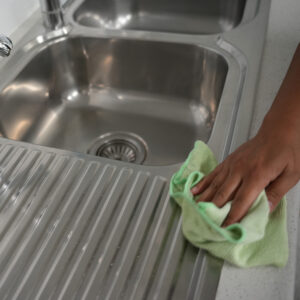
People are greasing their sinks like they’re seasoning a cast‑iron pan. A little olive oil, a soft cloth, and suddenly your stainless steel is gleaming like it’s auditioning for a commercial.
Emotionally, this hack is confusing. You’re cleaning with food.
The Science
Olive oil fills microscopic scratches and creates a reflective surface layer that hides streaks and fingerprints. It doesn’t clean stainless steel, it just makes it look clean by smoothing the light reflection. I’m on board.
Urban Clean Pro Tip: We use stainless‑steel polish for durability and streak‑free shine. But oil works in a pinch , just use sparingly.
If You’re Tired of Chasing Cleaners, We’re Here
While Urban Clean doesn’t clean homes, if you’re a business owner who’s had enough of the stress, the follow-ups, and the uncertainty, we’re here to help. Urban Clean delivers reliable, consistent, high-quality cleaning, without the frustration. Let us take it off your plate so you can get back to running your business. Let us handle the cleaning and take it off your to-do list, just click here!
And if you’re someone who’s ready to take ownership of your future, we’d love to talk. Whether you’re looking for a flexible income or ready to build a business that scales, our cleaning franchise model gives you the tools, training, and support to succeed. Click here to connect with us.
Sources
- The Spruce – Cleaning Methods & Household Chemistry
- Scientific American – Weak Acids and Metal Oxides
- Britannica – Silver Tarnish (Silver Sulfide Formation)
- NCBI – Acetic Acid Interaction with Metal Oxides
- Tomato Products Wellness Council – Acid Composition of Tomato Products
- Wood Database – Moisture & Finish Behaviour
- Chemistry LibreTexts – Electrochemical Reactions in Metal Cleaning
- CHOICE Australia – Cleaning Product Testing & Reviews
- CSIRO – Materials, Surfaces & Moisture Behaviour