When people want to buy a franchise and begin exploring opportunities, they often look across several well‑known categories: food and hospitality, fitness, retail, mobile services, and service‑based B2B models. Each category comes with its own financial structure, operational demands, and risk profile, and the differences between them can be significant once you look beyond the surface. Understanding these differences helps potential franchisees make decisions based on stability, scalability, and long‑term sustainability rather than brand familiarity alone. What follows is an objective comparison of how Urban Clean fits into the broader franchise landscape, focusing on the practical realities that influence day‑to‑day operations and long‑term outcomes.
Café & Food Franchises: High Visibility, High Pressure
Food franchises are often the most visible and recognisable options, which is why many people consider them first when they decide to buy a franchise. However, they also come with some of the highest startup costs in the franchising world. Commercial fit‑outs, specialised equipment, stock purchasing, and long‑term leasing commitments create a substantial financial barrier to entry. Once the business is operating, the overheads remain consistently high due to labour requirements, utilities, food costs, wastage, and ongoing maintenance.
These businesses also tend to be heavily influenced by external factors such as foot traffic, staffing shortages, economic shifts, and changing consumer preferences. While support from franchisors is usually comprehensive, the operational intensity and long hours required can make this one of the most demanding choices for anyone looking to buy a franchise and scale it sustainably.
Gym & Fitness Franchises: Popular but Capital‑Intensive
Fitness franchises appeal to people who enjoy health, community, and recurring membership revenue. They’re often considered by those looking to buy a franchise because the model feels familiar and lifestyle‑aligned. However, they typically require a high upfront investment due to equipment, fit‑out, and technology systems. Once established, they can generate stable income, but performance often fluctuates seasonally and depends heavily on local demographics and competition.
Ongoing overheads include rent, equipment maintenance, and staffing, which can vary depending on whether the model is staffed or 24‑hour access. While franchisor support is generally strong, the sector is highly competitive and sensitive to economic conditions. For anyone planning to buy a franchise in the fitness industry, it’s important to understand that scalability is possible, but it requires additional capital and suitable locations, making expansion slower and more resource‑intensive than many expect.
Retail Franchises: Familiar but Volatile
Retail franchises sit in the middle of the cost spectrum, with startup expenses driven by stock, leasing, and store fit‑out. Ongoing overheads remain significant due to rent, staff wages, inventory replenishment, and utilities. Retail performance is closely tied to consumer spending patterns, location quality, and competition from online retailers, which can create volatility even for established brands.
Support levels vary widely between franchisors, and success often depends on factors outside the franchisee’s control, such as mall foot traffic or economic downturns. While multi‑store ownership is possible, it requires substantial capital, operational oversight, and the ability to manage multiple teams and locations simultaneously.
Mobile Service Franchises: Low Cost, Limited Scalability
Mobile service franchises, such as lawn care, pet services, and home maintenance, are attractive because they offer low startup costs, minimal overheads, and a straightforward operational model. They are generally low‑risk and flexible, making them appealing to people seeking independence without the financial pressure of a lease or large staff.
However, income is often limited by the owner’s available working hours unless the model supports hiring and scaling. Many mobile franchises are designed around owner‑operator structures, which can restrict long‑term growth and make it difficult to transition into a management role. Support levels vary significantly depending on the franchisor, and scalability depends on whether the model is built for team‑based expansion.
Urban Clean: Service‑Based B2B Franchise
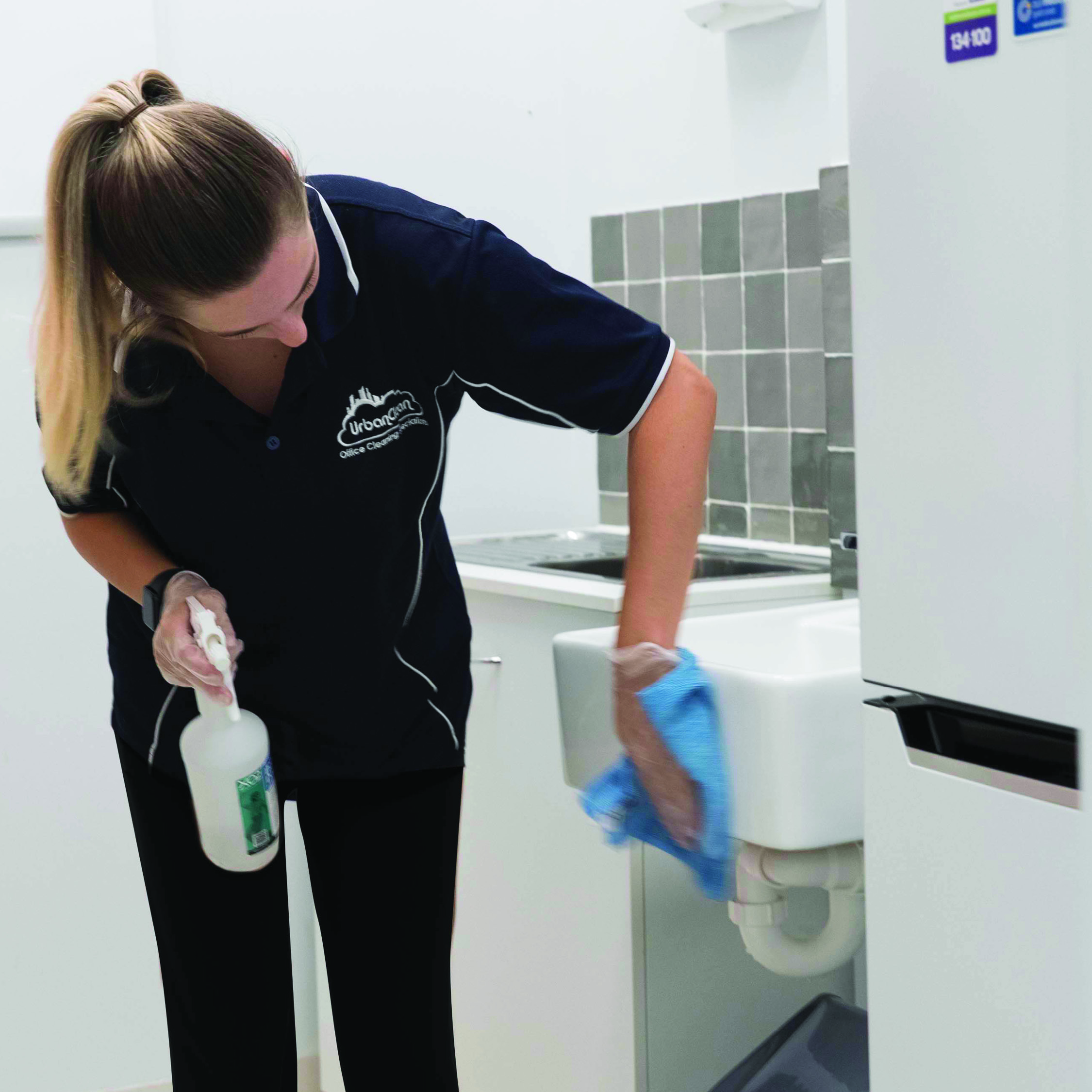
Urban Clean operates within the commercial cleaning sector, which offers a very different profile from consumer‑facing franchises. For people looking to buy a franchise, the low startup costs are a major advantage. There’s no need for a physical shopfront, expensive equipment, or large inventory. Ongoing overheads remain predictable and manageable, primarily consisting of labour, cleaning supplies, insurance, and fuel.
Commercial cleaning is considered an essential service, meaning demand remains stable across economic cycles. Businesses require regular cleaning for hygiene, compliance, and operational continuity, which results in recurring revenue through ongoing service contracts. This creates predictable cash flow and reduces the volatility seen in industries dependent on foot traffic or discretionary spending.
The Urban Clean model is designed for scalability. Franchisees are not required to perform cleaning work themselves; instead, they focus on building teams, managing client relationships, and growing their territory. This structure allows for expansion without the physical limitations of owner‑operator models. Support is comprehensive and includes training, operational systems, marketing frameworks, recruitment assistance, and ongoing coaching. For anyone wanting to buy a franchise that offers stability and growth potential, Urban Clean stands out as a strong alternative to traditional categories.
Objective Summary
Urban Clean differs from other franchise types in several key areas. Startup costs are lower than food, fitness, and retail franchises, and ongoing overheads are significantly more predictable due to the absence of leases, stock, and high labour requirements. Market volatility is reduced because commercial cleaning is an essential service with consistent demand. Support is structured and ongoing, with systems designed to help franchisees grow rather than operate in isolation. The risk profile is lower than industries dependent on consumer trends or foot traffic, and scalability is high due to the ability to build teams and secure long‑term commercial contracts. This positions Urban Clean as a stable, systemised option for people seeking a franchise with manageable costs and strong growth potential.
Ready to Explore a Franchise That Puts Stability First?
If you’re looking for a franchise that offers predictable income, low overheads, and the freedom to scale on your terms, Urban Clean is built for you. Whether you want a second income, a transition plan, or a full‑time business, our system gives you the support and structure to grow with confidence.
Take the first step today, explore what an Urban Clean franchise can offer. Click here to get started.