What It Means for Workplace Hygiene and Cleaning Standards
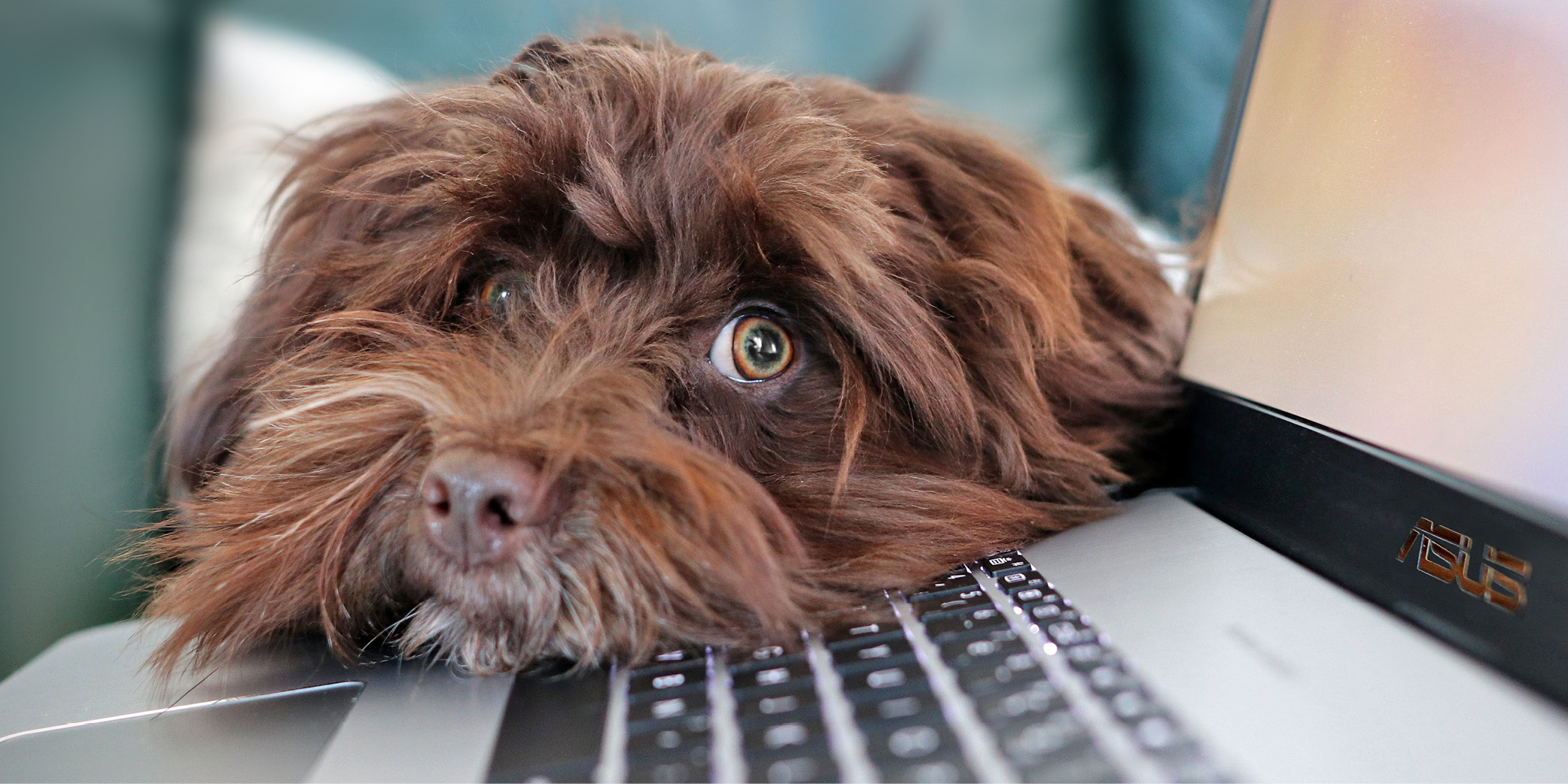
Pets in the workplace have shifted from a novelty to a mainstream feature of modern Australian office culture. Dogs are increasingly appearing in offices across the country, with evidence showing they can reduce stress and improve social interaction when properly managed. This shift reflects broader changes in workplace wellbeing, hybrid work patterns and employee expectations.
But the rise of office pets also introduces new hygiene, safety and operational challenges. WorkSafe Tasmania emphasises that employers must ensure pets do not create risks for staff, particularly around allergies, phobias, hygiene issues and general safety. As workplaces evolve, cleaning standards must evolve with them.
Why Pets Are Becoming Part of Australian Office Culture
Australian workplaces are embracing pet‑friendly policies as part of broader wellbeing and retention strategies. Research cited in national media shows that dogs can reduce stress and support social connection, contributing to a more positive work environment. This trend is especially visible in creative industries, tech companies and co‑working spaces where culture and flexibility are key differentiators.
Hybrid work has also played a major role. Many employees adopted pets during remote‑work periods, and bringing them into the office helps ease separation anxiety and supports smoother transitions back to in‑person work. As businesses compete for talent, pet‑friendly policies are becoming part of the modern employee experience.
Urban Clean Tip:
If your office is transitioning to a pet‑friendly model, schedule a pre‑implementation deep clean. This resets carpets, upholstery and air quality before pets arrive, reducing the baseline allergen load.
The Hygiene Challenges Pets Introduce Into Workplaces
While pets can improve morale, they also introduce hygiene variables that standard office cleaning routines aren’t designed to manage. The ABC reports that poorly managed pet policies can lead to hygiene concerns, allergies and general safety risks. These issues are particularly relevant in open‑plan offices where shared spaces are heavily used.
Pet hair, dander, odours and occasional accidents require more frequent and targeted cleaning. Carpets and couches trap allergens, while floors may require additional sanitisation to remain safe for both humans and animals. Without updated cleaning routines, workplaces risk compromising hygiene standards and employee comfort.
Urban Clean Tip:
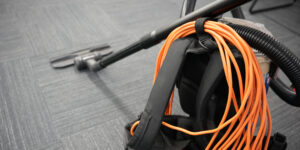
Introduce a daily spot‑cleaning protocol for pet‑friendly areas. This includes vacuuming with HEPA filtration, quick odour neutralisation and sanitising high‑traffic zones.
Allergies, Air Quality and Employee Safety
One of the most significant considerations for pet‑friendly workplaces is the impact on staff with allergies or phobias. WorkSafe Tasmania advises employers to consult with employees before allowing pets on‑site, as exposure to pet allergens can affect health and productivity. This makes allergen‑reduction cleaning essential, especially in open‑plan environments.
Air quality becomes more complex when pets are present. Soft furnishings, carpets and HVAC systems can trap and recirculate allergens, requiring more frequent vacuuming with HEPA filtration and scheduled deep cleaning. Without these measures, workplaces risk creating environments that are uncomfortable — or even unsafe for sensitive staff.
Urban Clean Tip:
Add scheduled HEPA vacuuming and quarterly carpet extraction to your cleaning plan. This significantly reduces airborne allergens and improves overall air quality.
Product Safety and Cleaning Standards for Pet‑Friendly Offices
When pets are present, cleaning products must be safe for animals as well as humans. WorkSafe Tasmania highlights the importance of ensuring pets do not come into contact with hazardous materials. This means using pH‑neutral, non‑toxic and residue‑free products that won’t irritate paws or skin.
Fast‑drying floor cleaners and odour‑neutralising solutions become essential in offices with pets. These products maintain hygiene without leaving surfaces slippery or exposing animals to chemicals. A tailored cleaning plan ensures that hygiene standards remain high while supporting a safe, pet‑friendly environment.
Urban Clean Tip:
Switch to pet‑safe, low‑residue cleaning products in all areas where animals walk, sit or rest. This prevents chemical transfer from floors to paws.
Managing Behaviour, Accidents and High‑Risk Zones
Even well‑trained pets can have accidents or behave unpredictably in busy office environments. WorkSafe Tasmania recommends clear policies to manage pet behaviour, prevent slip hazards and ensure pets do not enter high‑risk areas such as kitchens or storage rooms. These policies must be supported by cleaning routines that address incidents quickly and effectively.
Breakout areas, couches and rugs become high‑risk zones for odours, stains and bacteria. Regular upholstery cleaning and targeted sanitisation help maintain hygiene and prevent lingering smells. A structured cleaning plan ensures that these areas remain safe, comfortable and professional — even in pet‑friendly workplaces.
Urban Clean Tip:
Create a rapid‑response cleaning protocol for accidents. Enzyme‑based cleaners break down organic matter quickly and prevent repeat marking.
Why Businesses Need Updated Cleaning Standards
As more Australian workplaces adopt pet‑friendly policies, cleaning standards must evolve to match the new environment. Employers are responsible for ensuring that pets do not create health or safety risks, and this includes maintaining hygiene practices that address allergens, odours, bacteria and behavioural incidents. Updated cleaning routines help businesses meet these obligations while supporting a positive workplace culture.
A professional cleaning partner who understands the unique needs of pet‑friendly offices can help businesses maintain compliance, protect employee wellbeing and keep shared spaces clean and welcoming. As office culture continues to shift, hygiene standards must shift with it — ensuring that pets enhance the workplace, not complicate it.
Urban Clean Tip:
Request a pet‑friendly cleaning audit. This identifies risk zones, product adjustments and service frequency changes tailored to your specific workplace layout and pet policy.
If You’re Tired of Chasing Cleaners, We’re Here
If you’re a business owner who’s had enough of the stress, the follow-ups, and the uncertainty, we’re here to help. Urban Clean delivers reliable, consistent, high-quality cleaning, without the frustration. Let us take it off your plate so you can get back to running your business. Let us handle the cleaning and take it off your to-do list, just click here!
And if you’re someone who’s ready to take ownership of your future, we’d love to talk. Whether you’re looking for a flexible income or ready to build a business that scales, our cleaning franchise model gives you the tools, training, and support to succeed. Click here to connect with us
Australian Sources
- ABC News — Want a dog‑friendly workplace? Here’s what you’ll need to get right
- WorkSafe Tasmania — Pets at Work (health, safety and hygiene considerations)
- business.gov.au — Pet‑Friendly Workplaces (policy and safety guidance)